


Best Anti-Frizz Treatment Approach NYC (2026 Guide)
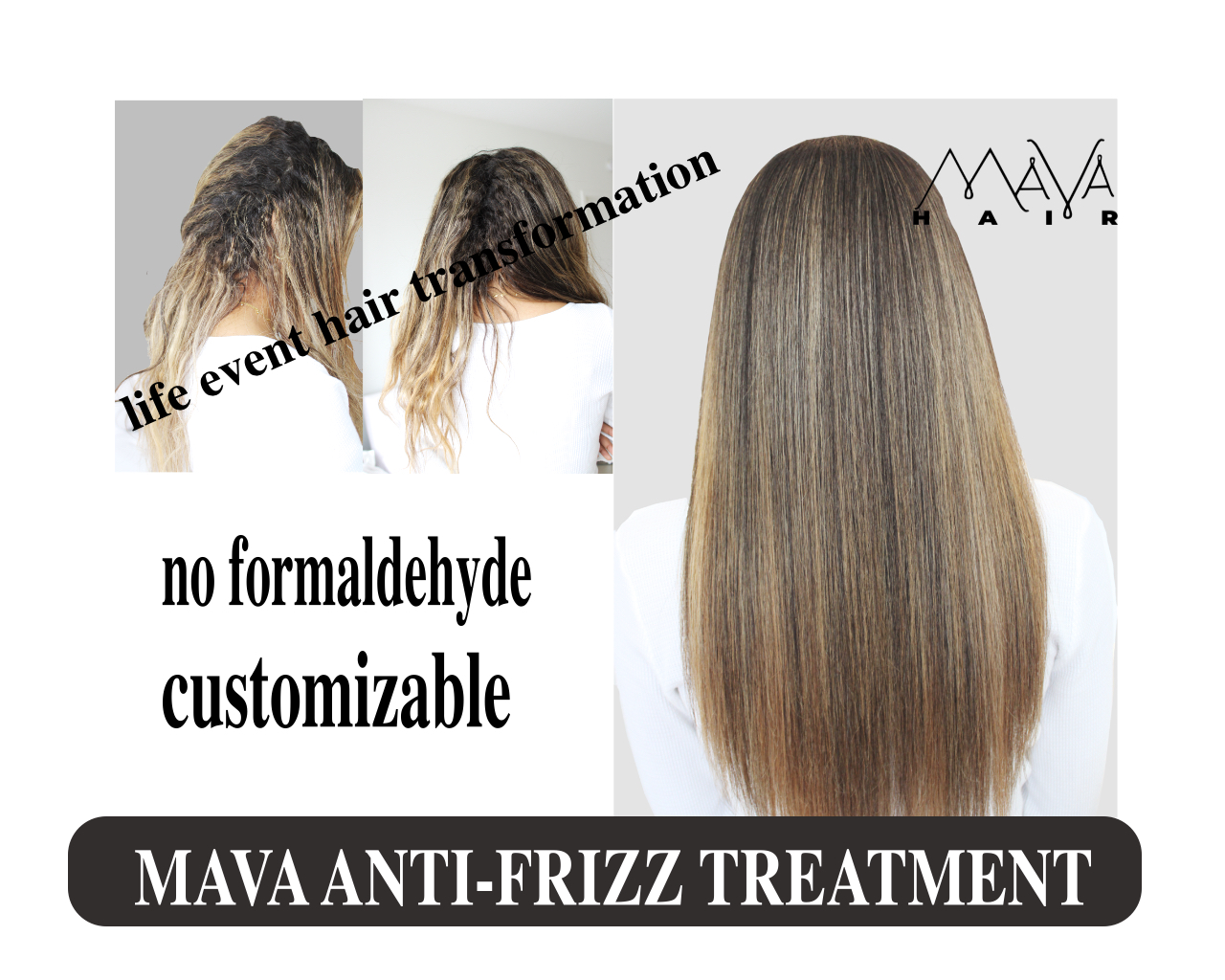

Best Anti-Frizz Treatment in NYC (2026 Guide)
Frizz is one of the most frustrating hair challenges—especially in a city like New York, where humidity, pollution, and fast-paced routines make consistent styling difficult.
If you’ve tried smoothing treatments, serums, or blowouts and still struggle with frizz, the issue is usually not your effort—it’s the approach.
Most anti-frizz solutions focus on temporary control instead of long-term hair behavior.
This guide explains what actually works—and how to choose the right path.
Why Most Anti-Frizz Treatments Don’t Last
Many popular treatments on the market promise smooth, shiny hair but fail to deliver consistent, long-term results.
Common issues include:
Frizz returning after a few weeks
Hair becoming dry or overly processed
Loss of natural movement
Increased dependency on repeated treatments
This happens because many treatments focus on coating the hair instead of addressing its internal structure and condition.
What Actually Causes Frizz
Frizz is not just a surface problem.
It is influenced by:
Hair porosity (how the hair absorbs moisture)
Previous chemical treatments (color, bleaching, keratin)
Structural imbalance in the hair fiber
Environmental exposure (humidity, heat, water)
Without addressing these factors, frizz will continue to return—no matter what product or treatment is used.
Read the article about Why You Still Experience Frizz After Keratin
The Shift: From Treatments to Systems
The most effective approach to frizz control is not a one-time service.
It is a structured system that:
Evaluates hair condition and history
Selects the correct smoothing or repair approach
Applies treatment with controlled processing
Maintains results with the right home care
This is the difference between temporary improvement and long-term transformation.
Types of Anti-Frizz Approaches
Understanding your options helps you avoid the wrong decision.
Non-Permanent Smoothing
These approaches gradually fade over time and focus on improving manageability and softness without permanently altering the hair structure.
They are often used when:
Hair is fragile or overprocessed
Clients want flexibility
The goal is improvement, not straightening
Long-Term Smoothing
These approaches provide extended frizz control and require maintenance as new hair grows.
They are often used when:
Frizz is persistent and resistant
Hair can tolerate structural smoothing
The goal is long-lasting control with natural movement
System-Based Haircare
This is the most advanced approach.
Instead of choosing a single treatment, it combines:
smoothing
repair
maintenance
personalized follow-up
This allows results to improve over time instead of fading.
How to Choose the Best Anti-Frizz Treatment in NYC
The most important thing to understand:
There is no universal “best treatment.”
The right approach depends on:
your hair condition
your chemical history
your desired result
your willingness to maintain results
Choosing incorrectly can lead to:
underprocessed hair
overprocessed damage
inconsistent results
Why Consultation Matters
A professional consultation is where:
Hair condition is properly evaluated
Expectations are clarified
The correct approach is selected
A long-term plan is designed
Without this step, most people rely on guesswork—and that’s where problems begin.
The MAVA Approach
At MAVA, frizz is not treated as a cosmetic issue—it’s approached as a structural and behavioral one.
The focus is on:
preserving hair integrity
improving condition over time
delivering predictable, long-lasting results
creating a system that works beyond the appointment
This is why results are not rushed—and why they last.
The Next Step
If you’re ready to stop experimenting and understand exactly what your hair needs, the next step is a diagnostic consultation.
This is where your hair is evaluated and a clear, structured plan is created.
👉 Book your consultation here:https://www.antifrizzmava.com/booking-consultation


Comments