


Why Your Hair Is Still Frizzy After Keratin (And What To Do Instead)
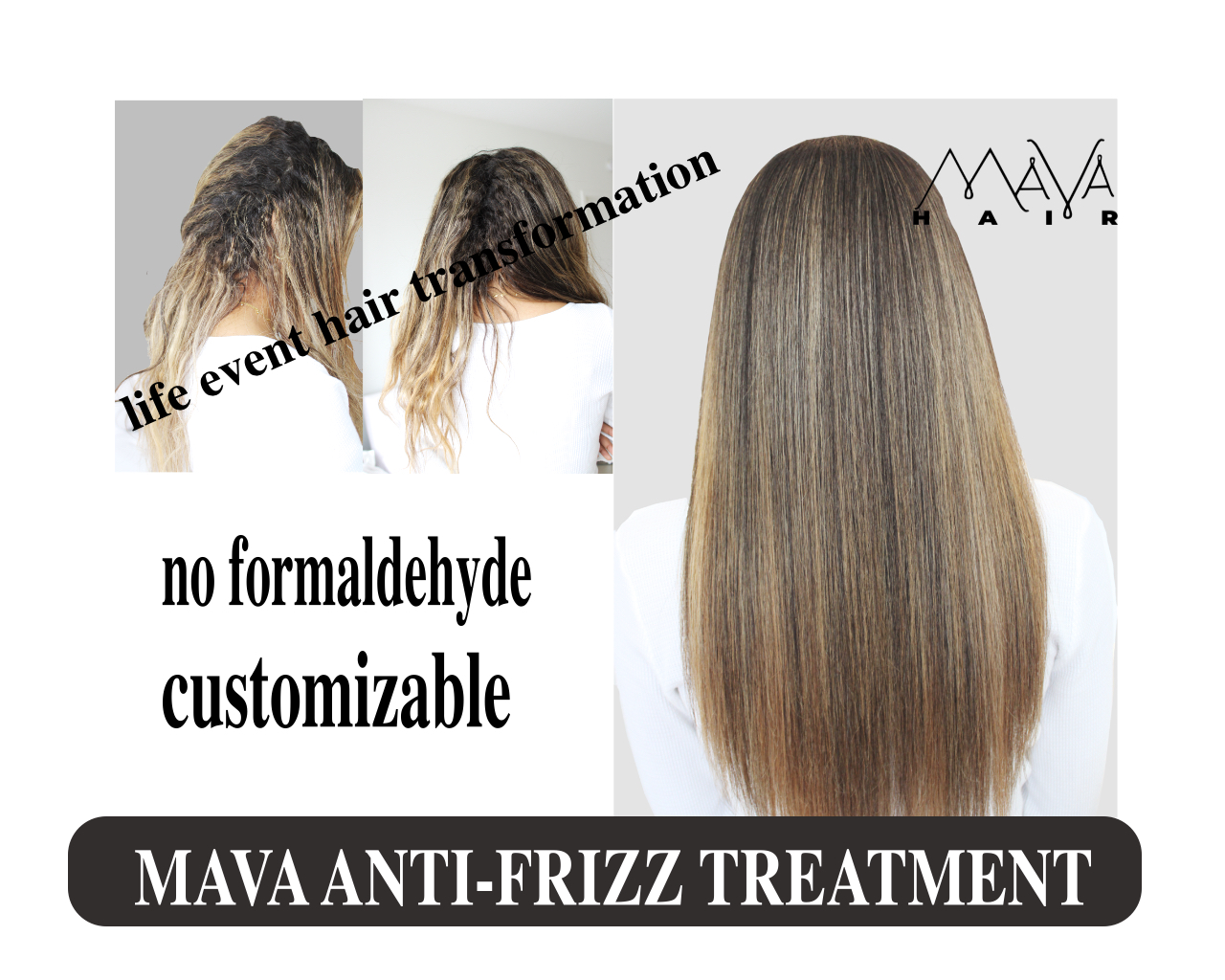

Why Your Hair Is Still Frizzy After Keratin (And What To Do Instead)
You got a Keratin treatment expecting smooth, manageable hair—but weeks later, the frizz is back.
Or worse, your hair feels inconsistent: smooth in some areas, frizzy in others.
If this sounds familiar, you’re not alone.
The issue is usually not your hair—it’s the approach.
Why Keratin Doesn’t Always Solve Frizz
Keratin treatments are designed to coat the hair and temporarily reduce frizz.
They can improve shine and manageability, but they don’t always address the root causes of frizz.
Common reasons results don’t last:
the treatment fades over time
hair was too porous or damaged before application
heat application was inconsistent
the treatment was repeated too often
When these factors aren’t controlled, frizz returns—sometimes faster than expected.
The Real Cause of Persistent Frizz
Frizz is not just a surface issue.
It’s influenced by:
internal hair structure
porosity levels
previous chemical history
moisture imbalance
If these are not properly evaluated, no treatment will deliver consistent results.
Why Some Areas Stay Frizzy
A common complaint:
“The top looks smooth, but the back is still frizzy.”
This happens because:
different sections of hair behave differently
density and curl pattern vary across the head
uniform processing doesn’t work for non-uniform hair
Without section-based control, results will always be inconsistent.
The Problem With Repeating Treatments
When results fade, many people do the same thing:
Repeat the treatment
This can lead to:
buildup
dryness
increased fragility
long-term damage
Instead of solving the issue, it often compounds it.
What Actually Works
To control frizz long-term, the approach must change.
Instead of repeating the same treatment, the focus should be on:
Evaluating the hair’s current condition
Identifying structural and porosity issues
Selecting the right combination of repair and smoothing
Applying treatment with controlled timing and technique
Maintaining results with proper follow-up
This creates consistency—not temporary improvement.
A More Advanced Approach
Modern anti-frizz systems focus on:
preserving hair integrity
adjusting the process based on each section
combining repair and smoothing when needed
improving how the hair behaves over time
This leads to:
more predictable results
better long-term manageability
reduced need for constant retreatment
The Role of Proper Diagnosis
Most frizz problems are not solved because they are not properly diagnosed.
Choosing a treatment without evaluating:
condition
history
goals
is guesswork.
And guesswork leads to inconsistent results.
At MAVA, frizz is approached through a structured system—not a one-time service.
Each step is based on:
protecting the hair fiber
selecting the correct protocol
applying treatment with control
maintaining results over time
This avoids overprocessing and creates results that last.
The Next Step
If your hair is still frizzy after Keratin, the next step is not repeating the same treatment—it’s understanding what your hair actually needs.
A diagnostic consultation allows for a proper evaluation and a clear plan.
👉 Book your consultation here: https://www.antifrizzmava.com/booking-consultation
If you’re comparing options, read our guide on keratin vs anti-frizz treatments. Check the article about Keratin vs Anti-Frizz treatments


Comments